Everlasting Motion MonolithsConceived as timeless artifacts, the monoliths operate at the intersection of stillness and transformation — solid, grounded forms that nonetheless suggest internal flow, rotation, and latent energy.
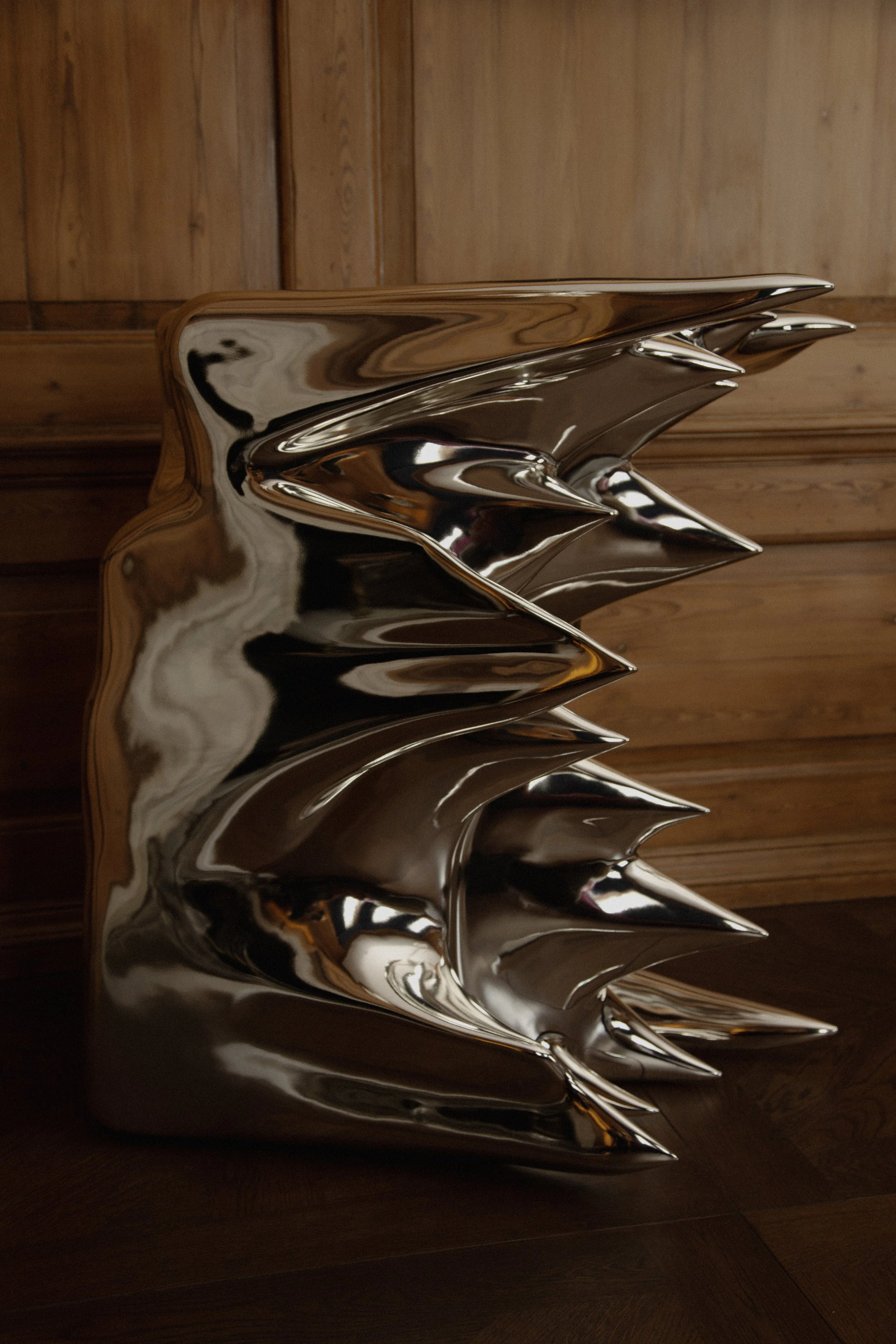
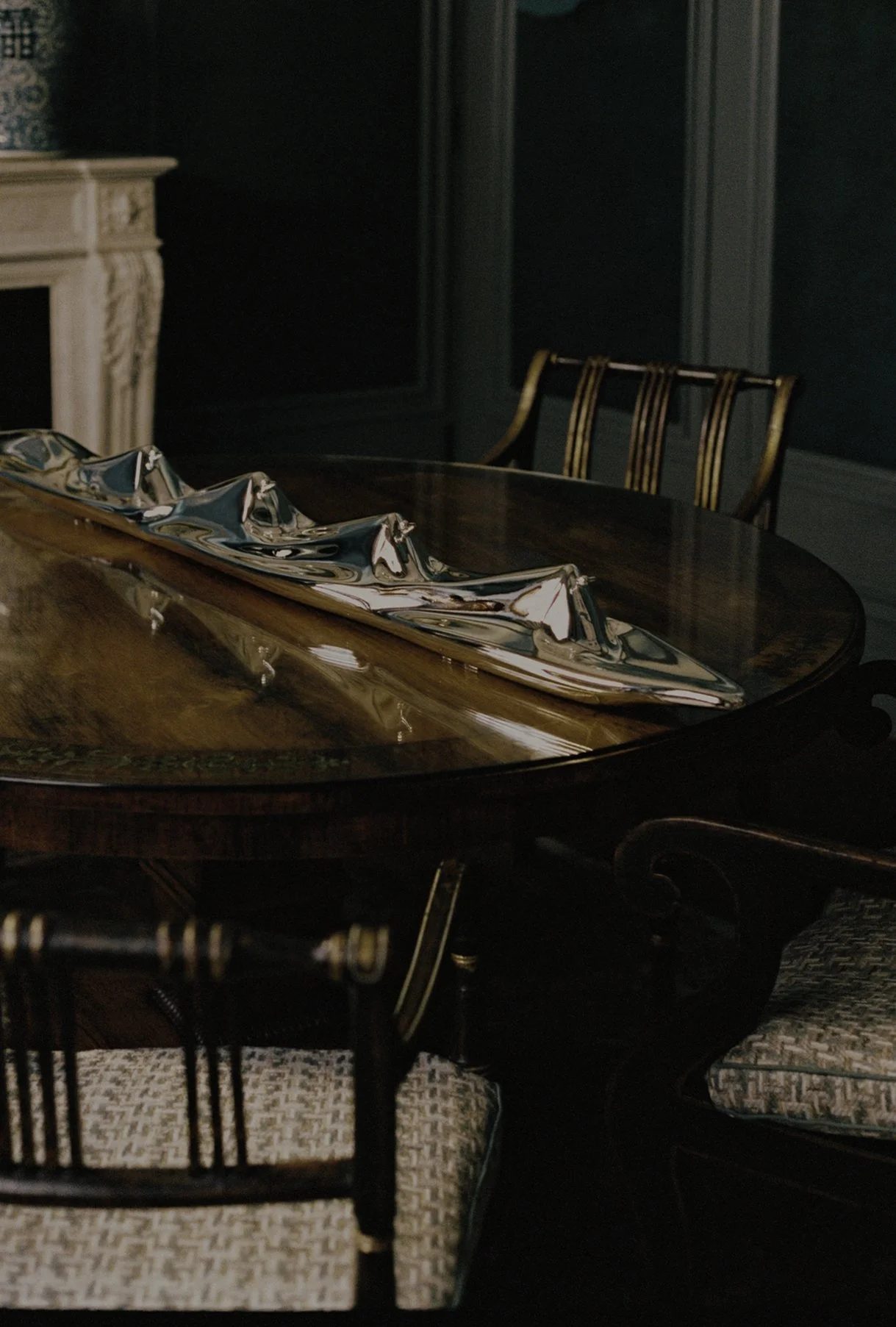
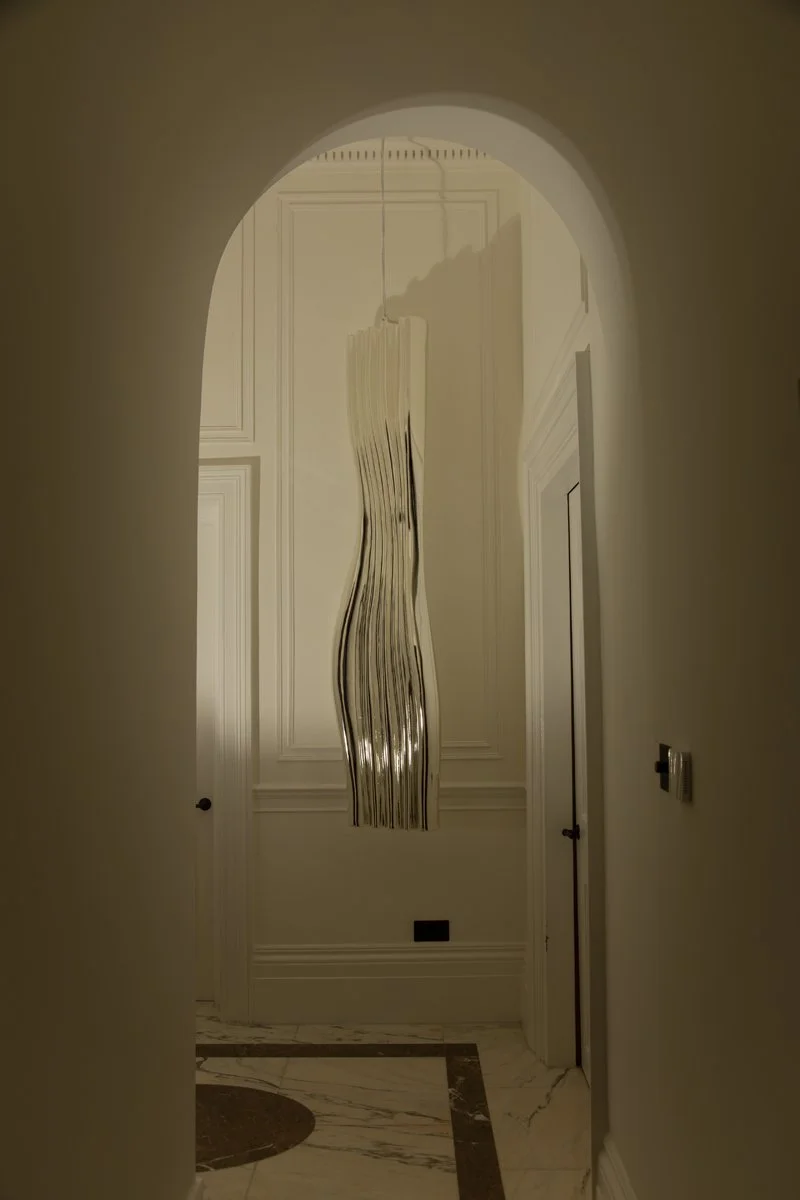
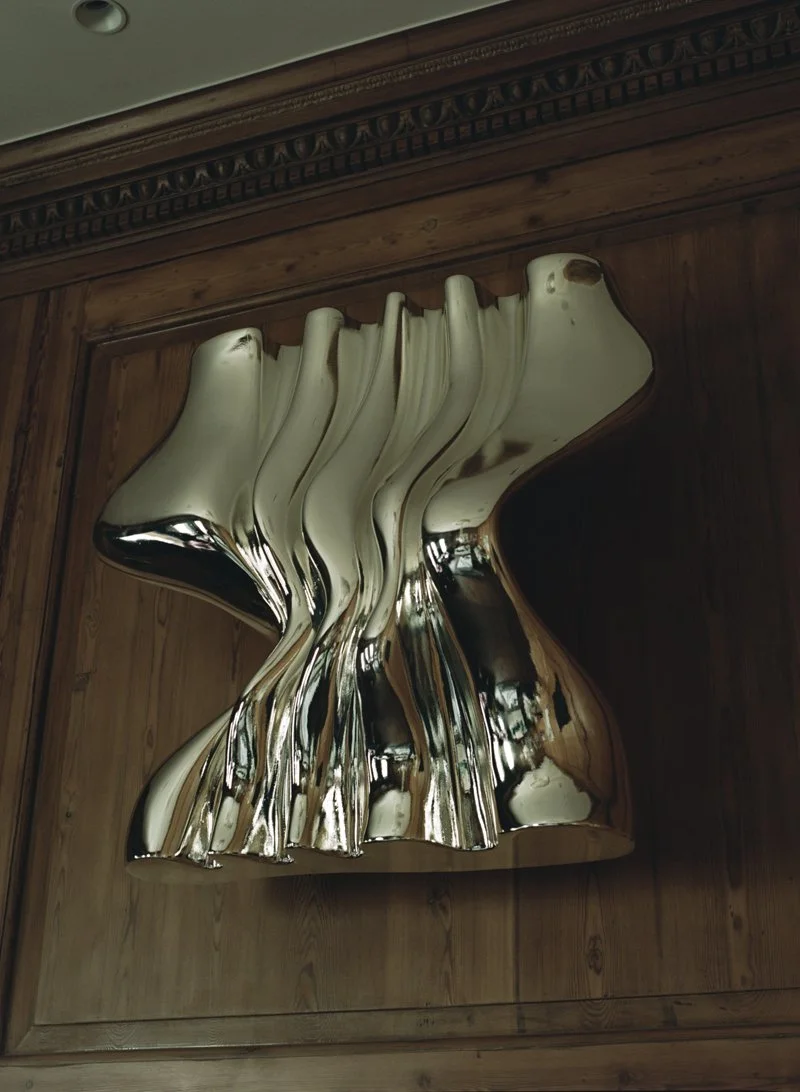
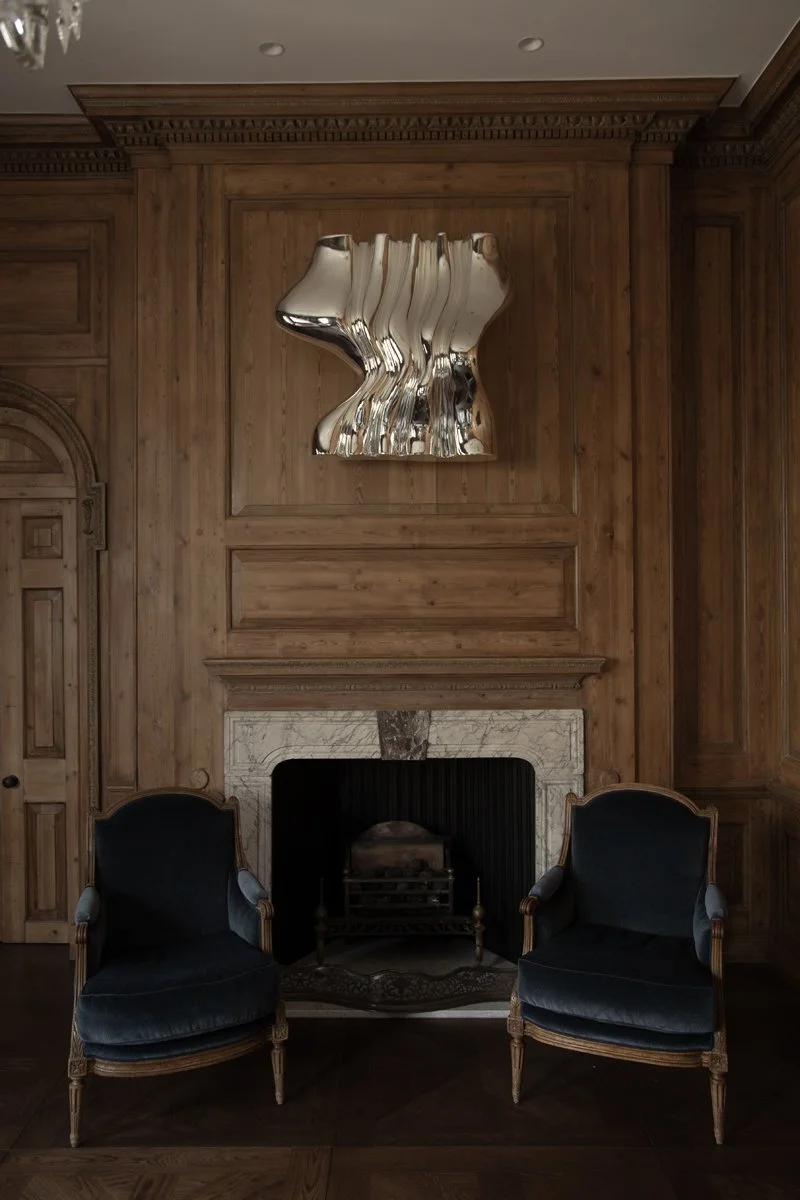
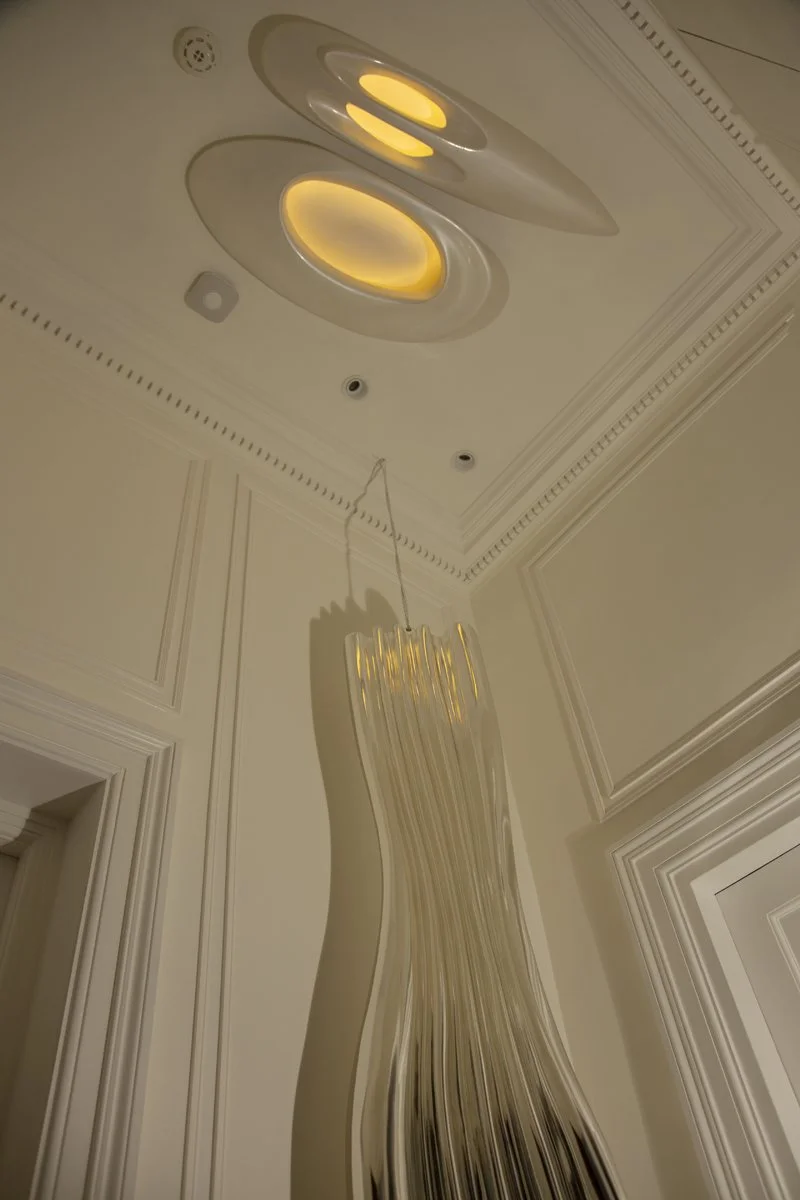
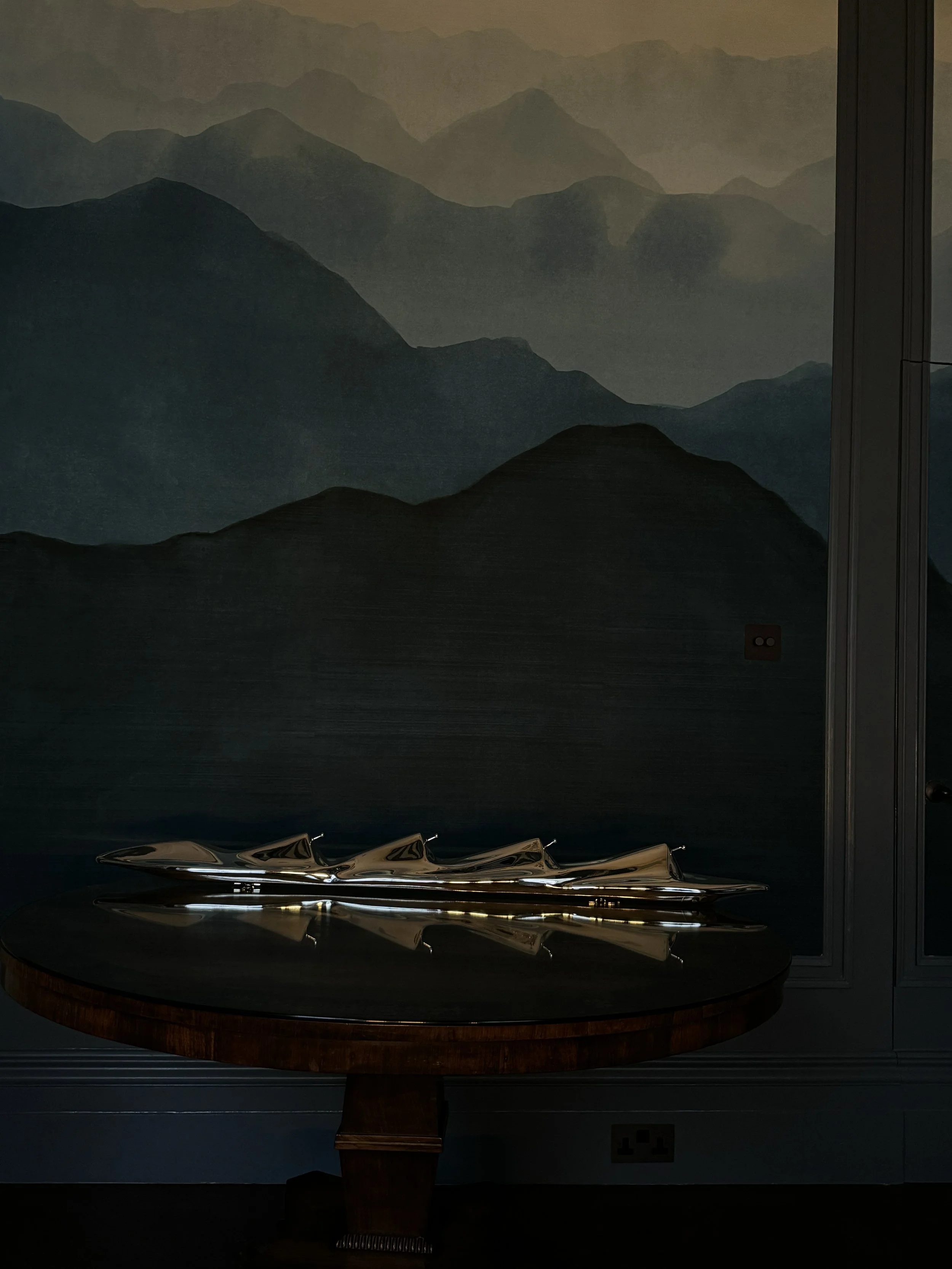
Everlasting Motion Monoliths is a series of sculptural objects that explore permanence through movement. Conceived as timeless artifacts, the monoliths operate at the intersection of stillness and transformation — solid, grounded forms that nonetheless suggest internal flow, rotation, and latent energy.
Each monolith is defined by a continuous geometry, where mass is carefully carved, twisted, or displaced to evoke motion frozen in time. The objects reference geological processes, orbital paths, and mechanical inertia, translating natural and physical forces into abstract yet emotionally resonant forms. They feel simultaneously ancient and speculative, as if extracted from a future archaeology.
Materiality plays a central role in the series. Dense, tactile surfaces reinforce the weight and presence of each piece, while subtle curvature and negative space introduce tension and rhythm. The monoliths are not decorative objects; they are spatial anchors — elements that organize perception, scale, and atmosphere within a room.
Though sculptural in nature, Everlasting Motion — Monoliths maintains a functional sensibility. The objects are conceived to coexist with daily life, blurring the boundary between art, design, and architecture. They invite slow observation and physical proximity, rewarding the viewer with shifting readings as light, shadow, and viewpoint evolve over time.
The series proposes a quiet paradox: that motion does not require speed, and that permanence is not static. In Everlasting Motion, form becomes a record of forces — an enduring expression of movement captured in matter.